
advanced cardiovascular life support provider manual pdf
First released in 2015‚ the AHA ACLS Provider Manual (ISBN 9781616694005) consolidates evidence‑based algorithms‚ pharmacology‚ and case studies for clinicians. Updated every five years‚ the 2025 edition incorporates the latest ILCOR guidelines and digital resources. It serves as the definitiveACLS trainingguide.
Purpose and Scope of the Manual – Detailed outline of advanced cardiac life support concepts‚ algorithms‚ pharmacology‚ and case-based learning for healthcare professionals
The AHA Advanced Cardiovascular Life Support (ACLS) Provider Manual is designed as a comprehensive reference for clinicians who must deliver rapid‚ evidence‑based care during cardiac emergencies. Its purpose is to equip healthcare professionals with a systematic framework that integrates the latest resuscitation science‚ pharmacologic interventions‚ and practical decision‑making tools. The manual is organized into modular sections that mirror the structure of the ACLS curriculum: foundational pathophysiology‚ algorithmic flowcharts for cardiac arrest‚ shock‚ and respiratory failure‚ drug dosing tables‚ and scenario‑based case studies. Each chapter begins with a concise objective‚ followed by a step‑by‑step algorithm that emphasizes early defibrillation‚ airway management‚ and circulatory support. Pharmacology is presented in a tabular format that details indications‚ contraindications‚ and recommended dosages for key agents such as epinephrine‚ amiodarone‚ lidocaine‚ vasopressin‚ and newer adjuncts. The case‑based learning component includes ten realistic scenarios that require the application of algorithms‚ drug selection‚ and teamwork skills. By integrating these elements‚ the manual serves both as a study aid for certification and a bedside reference for real‑time clinical decision‑making. The 2025 edition reflects the most recent ILCOR updates‚ ensuring that practitioners have access to the current best evidence for managing life‑threatening cardiovascular events. It also offers a mobile app with instant algorithm access and drug calculators‚ enhancing bedside care quickly!!.

Accessing the PDF: Official Sources and Licensing – AHA website‚ Amazon.com‚ and authorized academic distributors
To obtain the ACLS Provider Manual PDF‚ visit the AHA’s official site and purchase the latest edition. The manual is also sold on Amazon.com‚ where buyers can choose a PDF license. Academic distributors such as Pearson and McGraw‑Hill provide licensed copies for institutional use. All sources require a copyright agreement
Downloading from the American Heart Association and Authorized Resellers – Steps to obtain the latest 2025 edition‚ free trial options‚ and copyright considerations
Begin by navigating to the official AHA website’s “Resources” section. Create or log into an AHA account‚ then locate the “Advanced Cardiovascular Life Support Provider Manual” under the 2025 edition. Click the PDF icon‚ add the item to your cart‚ and proceed to checkout. AHA accepts major credit cards and offers a 7‑day free trial for first‑time users‚ allowing temporary access to the PDF before purchase. If you prefer a reseller‚ authorized distributors such as Pearson or McGraw‑Hill list the manual on their e‑commerce portals; simply search for the ISBN 9781616694005‚ select the PDF license‚ and complete the transaction. After payment‚ a secure download link appears for a limited time. Copyright rules require that the PDF be used solely for personal study or institutional training. Redistribution‚ printing‚ or sharing beyond the licensed user is prohibited. For academic institutions‚ a bulk license can be requested through the AHA’s institutional sales team‚ ensuring compliance with all copyright and licensing agreements. The PDF is distributed under a single‑user license; any sharing‚ printing‚ or redistribution beyond the licensed user is strictly prohibited. Users may access the manual through the AHA’s online portal‚ where a secure login grants view‑only access for the duration of the subscription. For institutions‚ bulk licensing options are available‚ and the AHA provides a dedicated support line for compliance questions. All users must acknowledge the copyright notice and agree to the terms of use before downloading or printing the document. All rights reserved. No use.

Key Content Areas Covered in the Manual – Core chapters‚ flowcharts‚ and clinical guidelines
The 2025 ACLS Provider Manual presents core chapters on cardiac arrest‚ shock‚ and respiratory emergencies‚ each with concise flowcharts and evidence‑based guidelines for rapid decision‑making. for all staff now.
Core Algorithms for Cardiac Arrest‚ Shock‚ and Respiratory Emergencies – Step-by-step diagrams and decision trees for real-time application
In practice‚ each decision node pairs with a mnemonic time frame for rehearsal during encounters. At bedside The manual offers a pocket card summarizing three algorithms for reference‚ while a app lets users test decisions against virtual patients and receive instant feedback on timing and drug dosing‚ reinforcing the algorithms and keeping ACLS providers ready for emergency. The cardiac arrest tree begins with a 2‑minute rhythm check‚ followed by defibrillation or pharmacologic therapy‚ and continuous CPR‚ with clear thresholds for epinephrine and vasopressin. The shock algorithm incorporates updated ILCOR evidence‚ guiding the use of norepinephrine versus vasopressin based on systolic blood pressure and lactate levels. Respiratory emergencies are addressed through a stepwise approach that prioritizes airway protection‚ oxygenation‚ and ventilation‚ with specific interventions for asthma‚ COPD‚ and anaphylaxis. Each flowchart is color‑coded‚ with decision nodes labeled by clinical cues such as “unresponsive‚” “absent pulse‚” or “hypotension.” The manual’s decision trees are designed for real‑time use‚ allowing team leaders to quickly identify the next action‚ assign roles‚ and document interventions on a single sheet. By integrating evidence‑based recommendations‚ pharmacologic dosing tables‚ and scenario‑based practice questions‚ the algorithms serve as both a learning tool and a bedside reference‚ ensuring that every provider can deliver consistent‚ high‑quality care under pressure. The companion mobile app offers interactive simulation‚ letting users test their decision‑making against a virtual patient and receive instant feedback on timing and drug dosing. These tools reinforce the written algorithms a between theory bedside execution‚ keeping ACLS providers ready for any emergency.

Pharmacology Section: Medications Covered in ACLS – Drug classes‚ indications‚ contraindications‚ and dosing tables
The manual lists epinephrine‚ amiodarone‚ lidocaine‚ vasopressin with dosing‚ indications‚ contraindications and pediatric dosing tables. Dosage tables include pediatric dosing ranges and.
Common Drugs and Dosage Guidelines – Epinephrine‚ amiodarone‚ lidocaine‚ vasopressin‚ and others with dosage charts
Epinephrine is administered 1 mg IV/IO every 3–5 min during cardiac arrest‚ with a total cumulative dose not exceeding 10 mg. Amiodarone is given 300 mg IV push‚ followed by a 150 mg every 10 min up to 3 doses; pediatric dose is 5 mg/kg. Lidocaine 1.5 mg/kg IV push‚ repeat 1 mg/kg every 5 min up to 3 doses‚ pediatric 1.5 mg/kg. Vasopressin 40 U IV/IO bolus‚ repeat 40 U every 3–5 min; pediatric 0.5 U/kg. Other agents include atropine 0.5 mg IV/IO (max 3 mg)‚ epinephrine 0.01 mg/kg for bradycardia‚ and amiodarone 5 mg/kg for ventricular fibrillation. The manual provides detailed tables for adult and pediatric dosing‚ infusion rates‚ and contraindications such as hyperthyroidism for amiodarone or hypovolemia for vasopressin.
Monitoring during drug administration includes continuous ECG‚ pulse oximetry‚ and arterial blood pressure. For epinephrine‚ watch for hypertension and arrhythmias; for amiodarone‚ monitor thyroid function and hepatic enzymes; for lidocaine‚ assess for CNS toxicity and hypotension; for vasopressin‚ observe for ischemia and renal dysfunction. Pediatric dosing requires weight-based calculations and careful titration. The manual emphasizes that drug interactions‚ such as beta‑blockers with epinephrine or calcium channel blockers with amiodarone‚ can alter efficacy. It also provides infusion rates for delivery and guidelines for drug disposal after use.
Finally‚ the manual advises documenting each dose‚ timing‚ and patient response in the resuscitation record to support quality improvement and legal compliance.
Use responsibly!!!

Case Studies and Clinical Scenarios – Practical application of ACLS principles in simulated patient encounters
The manual presents 10 scenarios‚ each featuring patient history‚ ECG‚ and interventions. Learners practice algorithm decisions‚ drug dosing‚ and teamwork in realistic resuscitation settings.more
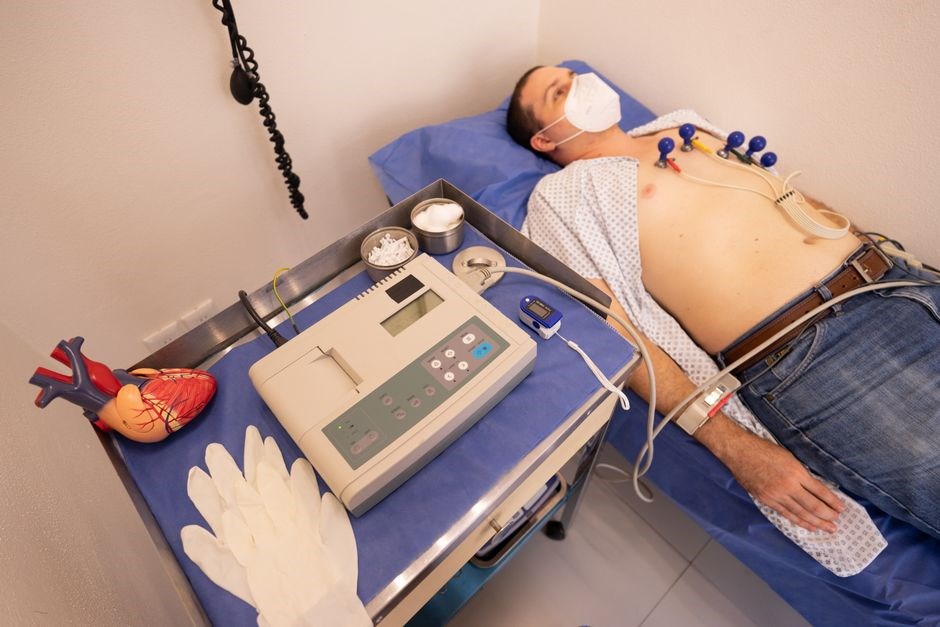
Sample ACLS Cases for Practice – 10 detailed scenarios with patient histories‚ ECGs‚ and recommended interventions
- Scenario 1: 68‑year‑old male presents with crushing chest pain‚ diaphoresis‚ and nausea. ECG shows ST‑segment elevation in leads V2‑V4. Immediate intervention: commence CPR‚ deliver 2‑shock defibrillation (200 J biphasic)‚ administer epinephrine 1 mg IV push‚ followed by amiodarone 300 mg IV push. Continue rhythm monitoring and repeat epinephrine every 3‑5 min as indicated.
- Scenario 2: 45‑year‑old female collapses after an overdose of benzodiazepines. Pulse absent‚ ECG demonstrates pulseless electrical activity (PEA). Begin CPR‚ give vasopressin 40 U IV push‚ lidocaine 1 mg/kg IV push‚ and epinephrine 1 mg IV push. Evaluate for reversible causes (H‚ T‚ H‚ T‚ H‚ T‚ H‚ T).
- Scenario 3: 72‑year‑old male with a history of coronary artery disease arrests with ventricular fibrillation. CPR is initiated‚ 2‑shock defibrillation (200 J biphasic) is delivered‚ epinephrine 1 mg IV push is given‚ and amiodarone 150 mg IV push is administered. Repeat amiodarone 150 mg if rhythm persists.
- Scenario 4: 30‑year‑old male involved in a motor‑vehicle collision develops asystole. CPR is started‚ epinephrine 1 mg IV push is given‚ and atropine 0.5 mg IV push is considered if bradycardia is present. Rapid transport to the trauma bay is essential.
- Scenario 5: 55‑year‑old female with a history of hypertension collapses with pulseless ventricular tachycardia. CPR is initiated‚ 2‑shock defibrillation (200 J biphasic) is delivered‚ amiodarone 150 mg IV push is given‚ and a second 150 mg dose is administered if rhythm persists.
- Scenario 6: 60‑year‑old male presents with hypoglycemic shock and PEA. CPR is started‚ glucose 50 g IV push is administered‚ epinephrine 1 mg IV push is given‚ and continuous glucose monitoring is initiated.
- Scenario 7: 25‑year‑old female with a history of drug abuse arrests with ventricular fibrillation. CPR is started‚ 2‑shock defibrillation (200 J biphasic) is delivered‚ lidocaine 1 mg/kg IV push is given‚ and amiodarone 300 mg IV push is administered. Repeat lidocaine if rhythm remains unstable.
- Scenario 8: 80‑year‑old male with chronic obstructive pulmonary disease collapses with PEA. CPR is started‚ epinephrine 1 mg IV push is given‚ and beta‑blocker withdrawal is considered. Oxygen saturation is maintained at 100 % with high‑flow nasal cannula.
- Scenario 9: 40‑year‑old male post‑myocardial infarction arrests with pulseless ventricular tachycardia. CPR is initiated‚ 2‑shock defibrillation (200 J biphasic) is delivered‚ amiodarone 150 mg IV push is given‚ and a second 150 mg dose is administered if rhythm persists.
- Scenario 10: 50‑year‑old female with a history of breast cancer presents with sudden collapse. ECG shows asystole‚ and pericardiocentesis is performed for suspected cardiac tamponade. CPR is continued‚ epinephrine 1 mg IV push is given‚ and fluid resuscitation is initiated.

Review Questions and Practice Tests – Comprehensive question bank for knowledge assessment
Explore a 200-question bank aligned with the 2025 ACLS manual‚ featuring multiple-choice‚ true/false‚ and scenario-based items. Each question includes evidence-based explanations‚ reference to ILCOR updates‚ and immediate feedback to reinforce learning and assess proficiency. This set supports exam readiness.!!!…
Sample Questions and Answer Key – 20 multiple-choice items covering algorithms‚ pharmacology‚ and case management
The 2025 AHA ACLS Provider Manual (ISBN 9781616694005) consolidates updated algorithms‚ pharmacology‚ and case studies for clinicians. Released in 2025‚ it reflects the latest ILCOR evidence and supports competency‑based training.
- Which rhythm is most likely to respond to epinephrine? A
- First drug in pulseless electrical activity? B
- Recommended lidocaine dose for VT? C
- Drug contraindicated in sulfonamide allergy? D
- Ideal CPR compression rate? E
- Sign of reversible cause in arrest? F
- First drug for confirmed STEMI? G
- Maximum vasopressin dose? H
- Airway device for difficult airway? I
- First step in pulseless VT? J
- Drug for bradycardia on beta‑blocker? K
- Epinephrine interval in arrest? L
- Contraindication to amiodarone? M
- First drug in anaphylaxis? N
- Drug for post‑shock VF? O
- Lidocaine dose for pulseless VT? P
- Drug to avoid with QT prolongation? Q
- Ventilation rate during CPR? R
- Key component of ACLS algorithm? S
- First pharmacologic agent for chest pain? T
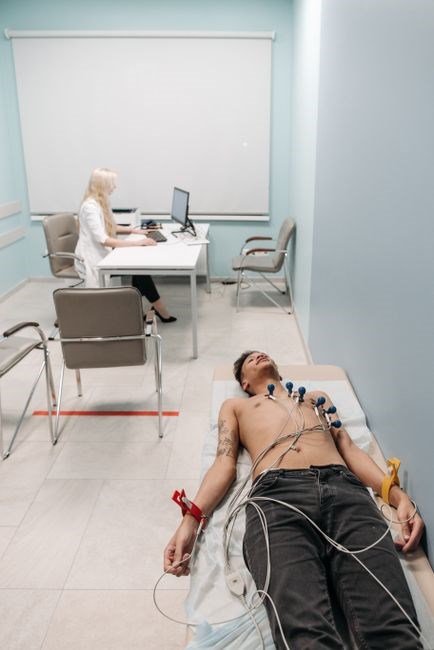
Answers align with the 2025 AHA ACLS Provider Manual’s recommendations and the ILCOR 2024 update‚ covering rhythm recognition‚ drug dosing‚ airway management‚ and algorithmic decision points for comprehensive ACLS assessment.
Answers are backed by the manual’s evidence tables and ILCOR 2024 consensus‚ aligning with practice.

Updates and Revision History of the Manual – Timeline of edition releases and major content changes
First edition (2015) introduced core algorithms. 2018 added new drug tables. 2020 aligned with ILCOR 2019 updates. 2025 incorporated 2024 consensus‚ new pacing guidelines‚ and expanded case studies. Each revision refines evidence‑based practice. The manual updates dosing tables‚ flowcharts‚ and adds new simulation modules.
2020 vs 2025 Editions and ILCOR Guidelines – Comparison of algorithm updates‚ new drug recommendations‚ and evidence-based shifts
Advanced cardiovascular life support (ACLS) has evolved significantly between the 2020 and 2025 AHA provider manuals‚ reflecting the latest ILCOR consensus and emerging evidence. The 2025 edition introduces a revised cardiac arrest flowchart that prioritizes early rhythm analysis and a new shock‑first approach for pulseless electrical activity‚ streamlining decision‑making under high‑stress conditions. Respiratory emergencies now feature a dedicated high‑flow nasal cannula section‚ addressing hypoxemic patients more effectively. Pharmacologic updates are equally transformative: amiodarone becomes the first‑line antiarrhythmic for refractory ventricular fibrillation‚ replacing lidocaine in most cases‚ while vasopressin dosing tables are revised to align with recent trials showing improved survival with higher initial doses. Epinephrine dosing is clarified to 1 mg IV/IO every 3–5 minutes‚ and corticosteroid use in refractory shock is now explicitly recommended based on the 2023 ILCOR review. The manual also expands the drug list to include tranexamic acid for traumatic cardiac arrest‚ a recommendation absent in 2020. Evidence‑based shifts extend to risk‑stratification for suspected myocardial infarction‚ with the 2025 manual adopting the 2024 ESC/ACC risk score and replacing the older TIMI score. A new algorithm for early percutaneous coronary intervention timing is integrated‚ and a comprehensive review of mechanical circulatory support‚ including ECMO guidance‚ is added. These changes collectively enhance the manual’s relevance to contemporary practice‚ ensuring that ACLS providers have access to the most current‚ high‑quality guidance for critical patient care. The 2025 manual thus represents a comprehensive update that aligns ACLS practice with the latest scientific consensus‚ emphasizing rapid‚ evidence‑driven interventions and a broader pharmacologic arsenal.