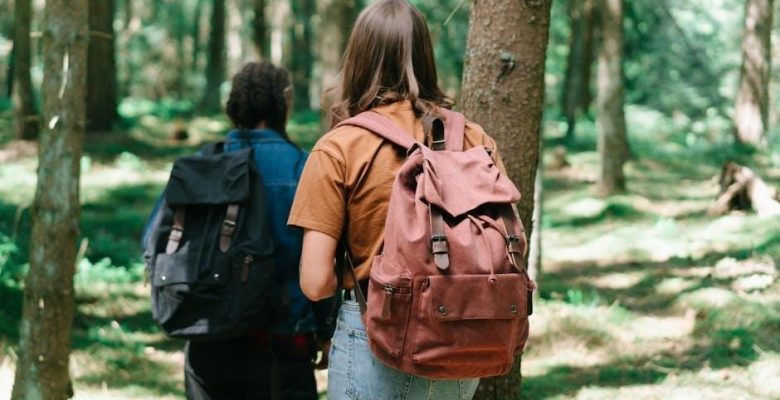
backpack size guide
Backpack Size Guide: Finding the Perfect Fit
Navigating the world of backpacks requires understanding volume, measured in liters, not just dimensions. This guide will help you determine the ideal capacity for your adventures, ensuring comfort and efficiency.
Understanding Backpack Capacity (Liters)
Backpack capacity is universally measured in liters, representing the internal volume of the pack. Unlike simple dimensions, liters provide a standardized way to compare the amount of gear a backpack can hold, regardless of its shape. This measurement is crucial because it directly impacts your ability to comfortably carry everything needed for your trip.
It’s important to remember that a higher liter count doesn’t automatically mean a larger backpack overall. Efficient design and internal organization can maximize usable space within a given volume. When considering capacity, think about the type of gear you’ll be carrying – bulky items like sleeping bags and tents require significantly more space than clothing or smaller essentials.
Understanding this metric allows for informed decisions, preventing the frustration of a pack that’s either too small to accommodate your gear or unnecessarily large and cumbersome for your needs. Choosing the right liter capacity is the first step towards a comfortable and enjoyable experience.
How Backpack Size Impacts Comfort & Efficiency
The size of your backpack profoundly affects both your physical comfort and the efficiency of your travels. An appropriately sized pack distributes weight effectively across your hips and shoulders, minimizing strain and fatigue during long hikes or journeys. Conversely, an oversized pack encourages overpacking, leading to unnecessary weight and discomfort.
A well-fitted backpack promotes better balance and posture, reducing the risk of injury. Efficiency is also key; a properly sized pack encourages mindful packing, forcing you to prioritize essential items and leave behind unnecessary luxuries. This streamlined approach translates to faster setup times at camp and easier navigation through crowded spaces.
Ultimately, the right backpack size isn’t just about capacity; it’s about optimizing your carrying experience, allowing you to focus on enjoying your adventure rather than battling with a cumbersome load.
Backpack Sizes for Different Trip Lengths
Selecting the right backpack hinges on trip duration; shorter outings need less capacity, while extended expeditions demand larger volumes to accommodate essential gear and supplies.
Day Hiking Backpacks (10-30 Liters)
For quick day hikes and shorter excursions, backpacks ranging from 10 to 30 liters are generally ideal. These packs are designed to carry the essentials – water, snacks, extra layers, a first-aid kit, and perhaps a small camera. They prioritize lightweight construction and a streamlined profile, minimizing bulk and maximizing comfort during shorter, faster-paced activities.
A 10-20 liter pack is perfect for minimalist hikers or those tackling well-maintained trails with readily available water sources. Stepping up to 20-30 liters provides more flexibility for carrying additional items like a lunch, rain gear, or a more comprehensive first-aid kit; These smaller packs often feature external attachment points for trekking poles or other gear, adding to their versatility. Consider a hydration reservoir compatibility for convenient water access on the trail. Prioritize a comfortable fit and adjustable straps to ensure a secure and enjoyable hiking experience.
Weekend Backpacking (30-50 Liters)
When planning a weekend backpacking trip – typically one to three nights – a backpack in the 30-50 liter range strikes a good balance between capacity and weight. These packs are designed to comfortably carry essential camping gear, including a tent, sleeping bag, sleeping pad, cooking system, food for a couple of days, and extra clothing layers.

A 30-40 liter pack is suitable for experienced backpackers who have refined their gear list and prioritize lightweight equipment. Those newer to backpacking or preferring a bit more space might opt for a 40-50 liter pack. Features like multiple compartments, external lash points, and a supportive suspension system become increasingly important in this size category. Proper weight distribution and a well-fitted hip belt are crucial for maintaining comfort over longer distances and varied terrain. Consider the seasonality and potential weather conditions when determining the necessary capacity.
Multi-Day Backpacking (50-75 Liters)
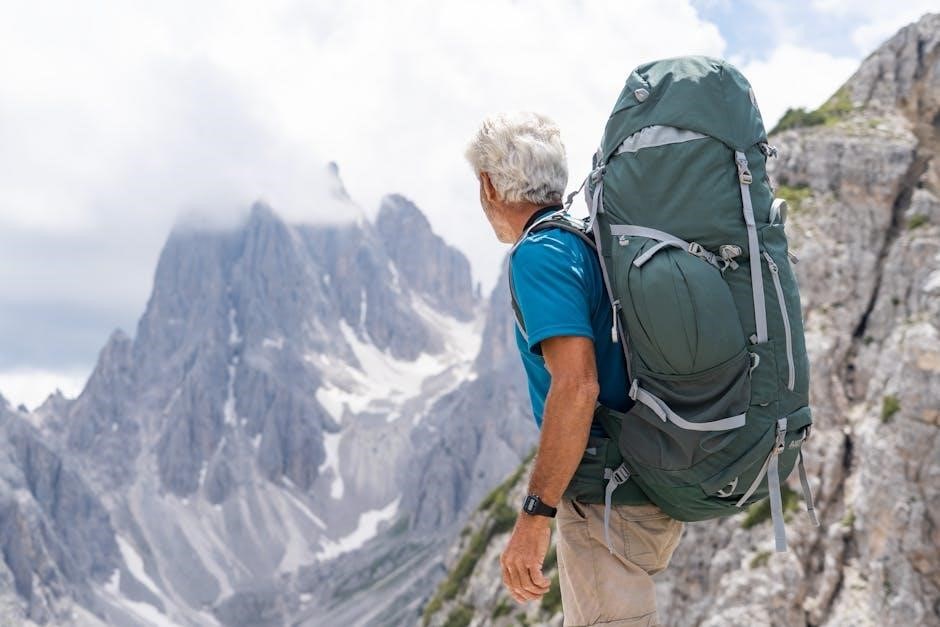
For backpacking adventures spanning three to five days, or longer trips requiring more substantial gear, a backpack in the 50-75 liter range is generally recommended. This capacity allows you to comfortably carry everything needed for extended time in the backcountry, including ample food, extra clothing for varying conditions, a larger first-aid kit, and potentially specialized equipment like bear canisters or climbing gear.
The specific size within this range depends on your packing efficiency and the nature of the trip. A 50-60 liter pack might suffice for experienced backpackers with lightweight gear, while those prioritizing comfort or carrying bulkier items may prefer a 65-75 liter pack. Robust suspension systems, adjustable torso lengths, and well-padded hip belts are essential for distributing the heavier loads associated with multi-day trips. Careful organization and strategic packing are key to maximizing space and maintaining balance.
Extended Trips & Expedition Backpacks (75+ Liters)
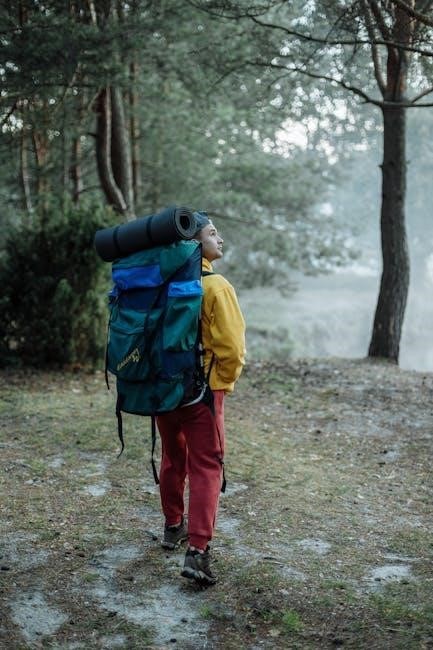
When embarking on expeditions lasting a week or more, or tackling challenging adventures demanding specialized equipment – think mountaineering, extended winter camping, or remote wilderness explorations – backpacks exceeding 75 liters become necessary. These large-capacity packs are designed to haul significant loads, often exceeding 50 pounds, and require exceptionally robust construction and supportive suspension systems.
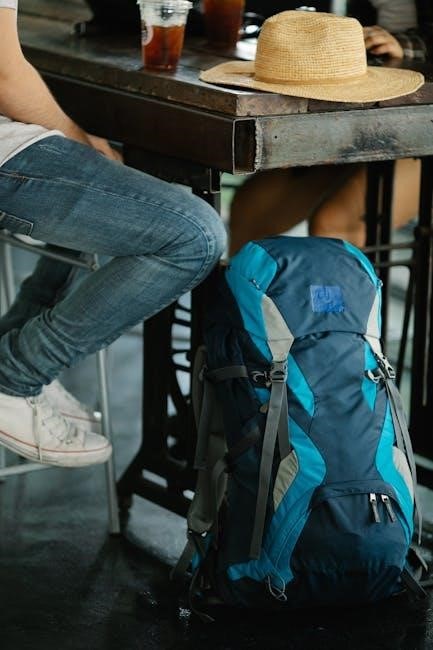
Features like multiple compartments, external attachment points for bulky items (like skis or ice axes), and durable materials are crucial. Expedition packs prioritize load-carrying capability and durability over weight savings. Proper fit is paramount; a poorly fitted large pack can lead to severe discomfort and injury. Experienced backpackers often utilize compression straps to minimize volume and maintain stability. These packs are investments for serious adventurers, built to withstand harsh conditions and demanding use.

Factors Influencing Backpack Size Choice
Selecting the right backpack involves considering your torso length, the volume of your gear, and the conditions of your trip – all crucial elements for a comfortable fit.
Your Body Torso Length
Determining your torso length is paramount for a comfortable and efficient backpack fit. Backpacks aren’t one-size-fits-all; they come in various sizes – typically Small, Medium, and Large – corresponding to different torso lengths. A properly fitted backpack transfers weight to your hips, relieving strain on your shoulders.
To accurately measure, locate your C7 vertebra (the bony bump at the base of your neck when you bend forward) and your iliac crest (the top of your hip bones). Measure the distance between these two points vertically. This measurement dictates the appropriate backpack size.
Generally, torso lengths fall into these ranges: Under 17 inches – Small; 17-19 inches – Medium; and 20 inches or greater – Large. However, these are guidelines; always try on a backpack with weight to ensure a proper fit. Many retailers offer fitting services to assist you in finding the perfect match. Ignoring torso length can lead to discomfort and potential injury on the trail.
Gear Volume & Packing Strategy
Beyond torso length, the volume of gear you carry significantly impacts backpack size selection. Consider the type of trip and the gear required. Minimalists can often manage with smaller packs, while those needing specialized equipment (like winter camping gear) will require larger capacities.
Effective packing is crucial. Compressing bulky items using compression sacks and strategically organizing gear can maximize space. Consider the weight distribution; heavier items should be placed closer to your back and higher up in the pack for stability.
Evaluate your gear list honestly. Do you need everything you’re planning to bring? Reducing unnecessary items can allow you to choose a smaller, lighter backpack, enhancing your comfort and efficiency on the trail. A well-planned packing strategy can make a substantial difference in your overall backpacking experience, regardless of the pack’s size.
Trip Season & Climate Considerations
The time of year and expected weather conditions heavily influence backpack size. Colder climates necessitate bulkier clothing, insulation, and potentially specialized gear like snowshoes or an ice axe, demanding a larger pack volume. Conversely, warmer weather trips allow for lighter, more compact clothing and gear.
Consider potential for inclement weather, even during typically favorable seasons. Packing rain gear, extra layers, and emergency supplies adds to the overall volume. A three-season pack might suffice for spring, summer, and fall, but a winter expedition requires a significantly larger capacity.
Think about water needs. In arid environments, you’ll need to carry more water or a water filtration system, adding weight and potentially volume. Adapting your pack size to the specific climate and season ensures you’re prepared for any conditions encountered on your journey.
Specific Backpack Size Recommendations
Tailoring your backpack choice to specific needs—women’s fits, travel convenience, or rolling designs—enhances comfort and functionality for diverse adventures and lifestyles.

Women’s Specific Backpack Sizes
Traditionally, backpack designs catered primarily to male anatomy, often resulting in discomfort for women. However, recognizing these differences, manufacturers now offer backpacks specifically engineered for the female form. These packs feature shorter torso lengths, narrower shoulder straps, and contoured hip belts designed to better distribute weight across a woman’s hips and shoulders.
Crucially, women generally have narrower shoulders and a different torso shape than men. A properly fitted women’s backpack prevents chafing and ensures a secure, comfortable carry. When selecting a pack, prioritize torso length measurement, as this is the most critical factor. Don’t assume your usual size will fit; always measure and try on packs if possible.
Consider packs with adjustable torso lengths and hip belts to fine-tune the fit. Many women find that a smaller capacity pack, within the same trip length category, is sufficient due to differences in average gear volume. Prioritizing a comfortable and well-fitting pack will significantly enhance your backpacking experience.
Travel Backpack Sizes (Carry-on Compliant)
For frequent flyers and minimalist travelers, carry-on compliant travel backpacks are essential. These packs aim to maximize capacity while adhering to airline size restrictions, avoiding checked baggage fees and potential lost luggage. Typically, a carry-on backpack falls within the 20-40 liter range, though specific dimensions vary by airline – always verify before your trip!
Key features include clamshell openings for easy packing, dedicated laptop compartments, and organizational pockets for toiletries and electronics. Durability is also paramount, as these packs endure frequent handling. Look for materials like robust polyester or nylon. Internal compression straps help secure contents and minimize bulk.
Consider backpacks with stowable shoulder straps and hip belts, allowing them to transition seamlessly from backpack to duffel bag format for overhead bin storage. Prioritize lightweight designs to maximize your allowable weight limit. A well-chosen travel backpack streamlines your journey and offers unparalleled convenience.
Rolling Backpack Sizes & Features
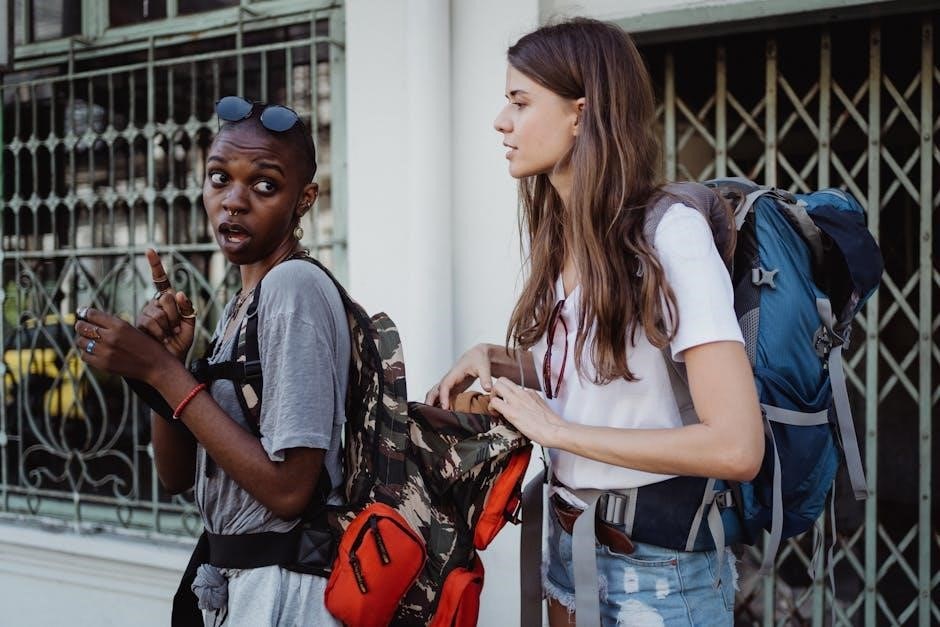
Rolling backpacks bridge the gap between traditional backpacks and wheeled luggage, offering a convenient alternative for travelers navigating airports or smooth surfaces. These packs typically range from 30 to 50 liters, providing ample space for clothing and essentials while remaining manageable in size. Durable polyester or nylon fabrics are common, ensuring longevity against travel wear and tear.
Essential features include retractable handles, smooth-rolling wheels (often with reinforced bases), and multiple compartments for organization. Many models also incorporate backpack straps that can be stowed away when rolling. Look for padded compartments to protect laptops and fragile items. Consider models with expansion capabilities for added flexibility.
While offering ease of transport, remember rolling backpacks are less suitable for uneven terrain or extended hiking. They excel in environments where rolling is practical, reducing strain on your back and shoulders. Prioritize a lightweight frame to minimize overall weight.
Measuring Backpack Size & Fit
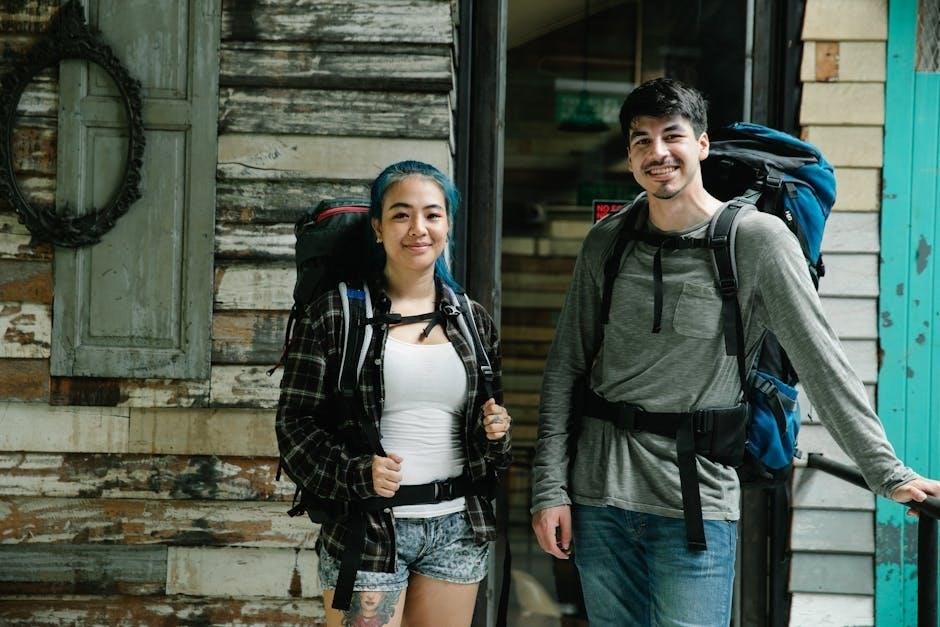
Achieving a proper fit is crucial for comfort and load distribution. Accurate torso and hip measurements, alongside understanding adjustment techniques, will ensure your backpack feels secure.
Torso Length Measurement Guide
Determining your torso length is paramount for selecting a correctly sized backpack. This measurement dictates the frame size needed to transfer weight effectively to your hips. To begin, stand straight with your hands on your hips, locating the iliac crest – the top of your hipbones.
Find the prominent bump at the base of your neck, your C7 vertebra. Have a friend use a flexible measuring tape to measure the distance between the iliac crest and your C7 vertebra, following the curve of your spine.
Ensure the tape is snug but not constricting. Repeat the measurement a couple of times to confirm accuracy. Backpack manufacturers typically categorize sizes based on torso length ranges:
- Extra Small: Under 16 inches
- Small: 16-18 inches
- Medium: 18-20 inches
- Large: 20-22 inches
- Extra Large: Over 22 inches
Using this measurement will significantly improve your backpacking experience.
Hip Belt Fit & Adjustment
A properly fitted hip belt is crucial for comfortable load carrying, transferring approximately 80% of the backpack’s weight to your hips. The hip belt should wrap snugly around the iliac crest, the top of your hipbones, not sit above them.
When adjusting, loosen all straps before putting on the pack. Tighten the hip belt until it feels secure but doesn’t cause discomfort. You should have a small gap between the belt and your waist.
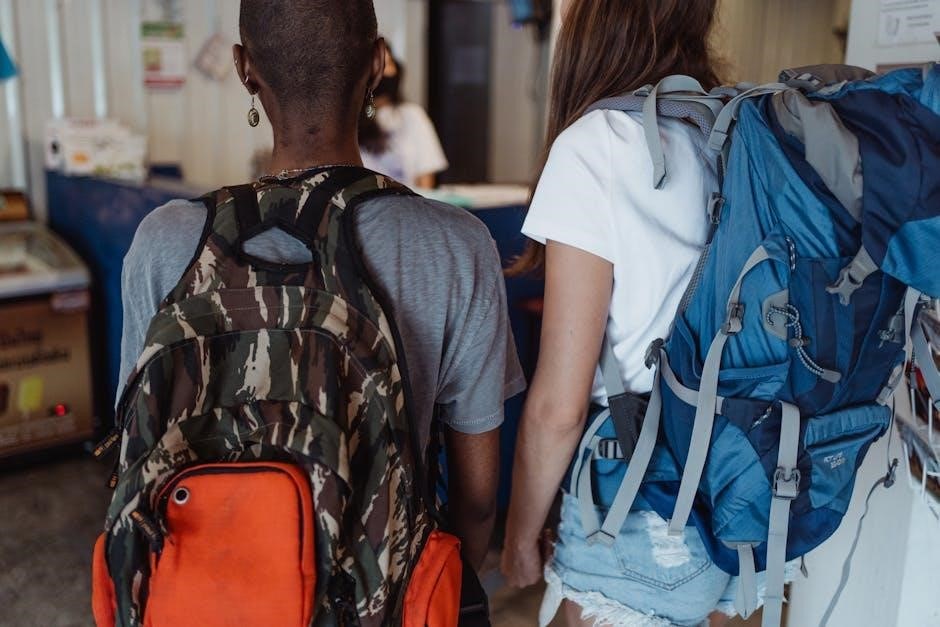
Most hip belts have adjustable padding; ensure it’s centered on your iliac crest. Fine-tune the load lifter straps (connecting the top of the shoulder straps to the pack frame) to pull the load closer to your body, improving stability.
Avoid overtightening, which can restrict circulation. A well-adjusted hip belt will feel supportive and stable, minimizing strain on your shoulders.