
tecumseh motor manual
Tecumseh engines power numerous outdoor tools; a comprehensive manual is vital for proper operation‚ maintenance‚ and repair‚ ensuring longevity and peak performance․
Understanding your Tecumseh engine‚ from its historical roots to modern applications‚ is key․ Accessing the correct manual unlocks a wealth of knowledge․
Tecumseh Products Company has a rich history‚ and their engines are found in lawnmowers‚ snowblowers‚ and more․ A manual guides safe and effective use․
A․ Historical Overview of Tecumseh Products Company
Tecumseh Products Company‚ founded in 1924‚ began as a manufacturer of small engines for power tools․ Initially focused on providing reliable power solutions‚ the company quickly gained prominence․ Over decades‚ Tecumseh expanded its product line‚ becoming a leading supplier to the outdoor power equipment industry․
Their engines powered countless lawnmowers‚ snowblowers‚ and other essential tools․ The company’s commitment to innovation and quality established a strong reputation․ Access to a Tecumseh motor manual became crucial for maintaining these widely-used engines‚ ensuring their continued performance and longevity for generations of users․
B․ Common Applications of Tecumseh Engines
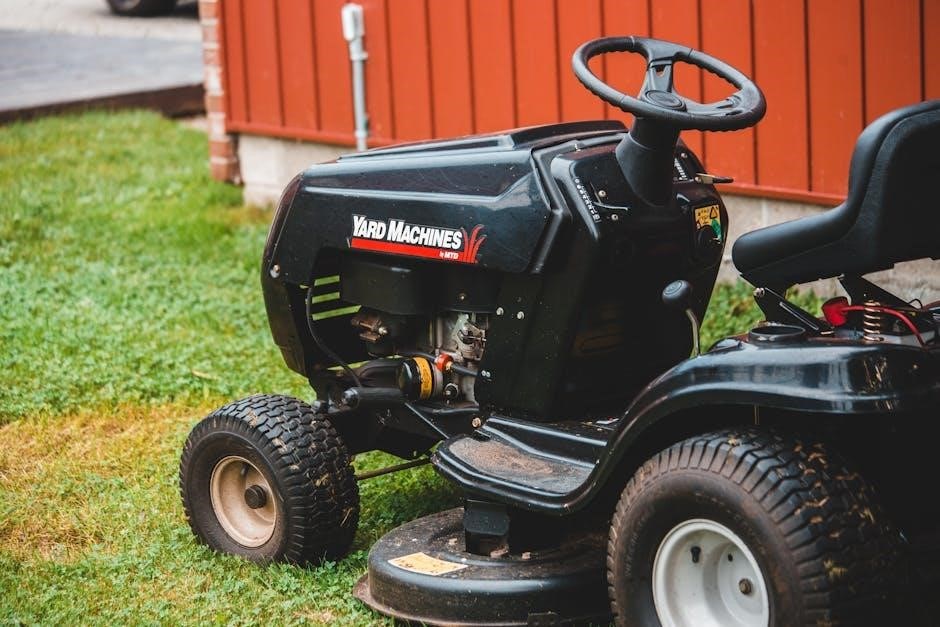
Tecumseh engines are renowned for their versatility‚ powering a wide array of outdoor power equipment․ Commonly found in lawnmowers‚ both residential and commercial‚ they provide reliable performance for yard maintenance․ Snowblowers frequently utilize Tecumseh engines to tackle winter conditions effectively․
Furthermore‚ these engines are integrated into garden tillers‚ pressure washers‚ and various construction tools․ A Tecumseh motor manual is essential for anyone operating or maintaining equipment powered by these engines‚ ensuring safe and efficient operation across diverse applications․
C․ Importance of a Tecumseh Motor Manual
A Tecumseh motor manual is absolutely crucial for owners‚ providing detailed instructions for safe operation‚ maintenance‚ and troubleshooting․ It unlocks the secrets to maximizing engine life and preventing costly repairs․ Understanding the specific model through the manual ensures correct parts usage and procedures․
Without a manual‚ improper maintenance can lead to decreased performance and potential damage․ Accessing the correct manual empowers users to confidently perform tasks‚ extending the engine’s lifespan and maintaining optimal functionality․ It’s an invaluable resource for all Tecumseh engine users․
II․ Safety Precautions
Always prioritize safety when working with Tecumseh engines; follow all guidelines in the manual regarding fuel‚ operation‚ and potential hazards․
A․ General Safety Guidelines
Before operating or servicing a Tecumseh engine‚ carefully read and understand the entire operator’s manual․ This crucial step ensures safe operation and prevents potential accidents․ Always wear appropriate safety glasses or a face shield to protect your eyes from debris․ Ensure the work area is well-ventilated‚ especially when dealing with fuel․
Never operate the engine in an enclosed space․ Keep children and bystanders away from the operating engine․ Disconnect the spark plug wire before performing any maintenance or repairs to prevent accidental starting․ Be aware of hot surfaces and exhaust fumes․ Always allow the engine to cool completely before refueling or storing;
B․ Fuel Handling Safety
Gasoline is highly flammable; exercise extreme caution when handling fuel․ Always refuel outdoors in a well-ventilated area‚ away from open flames‚ sparks‚ or heat sources․ Never smoke while refueling․ Use a funnel to prevent spills and avoid overfilling the fuel tank․ Wipe up any spilled fuel immediately with a clean cloth․
Store fuel in an approved‚ tightly sealed container‚ away from living areas and potential ignition sources․ Properly dispose of old or contaminated fuel according to local regulations․ Consider using a fuel stabilizer to prevent fuel degradation during storage‚ avoiding carburetor issues․
C․ Engine Operation Safety
Always ensure the area around the engine is clear of obstructions and bystanders before starting․ Never operate the engine in an enclosed space due to the risk of carbon monoxide poisoning․ Inspect the engine for any damage or loose parts before each use․ Keep hands‚ feet‚ and clothing away from moving parts․
Be aware of hot surfaces‚ such as the muffler and cylinder head‚ to prevent burns․ Never attempt to adjust or repair the engine while it is running․ Always allow the engine to cool completely before storing or transporting it․
III․ Engine Components & Identification
Identifying parts like the carburetor‚ magneto‚ and cylinder is crucial․ Knowing model codes (ECV‚ H‚ HH‚ etc․) and serial numbers aids in accurate manual referencing․
A․ Major Engine Parts Diagram
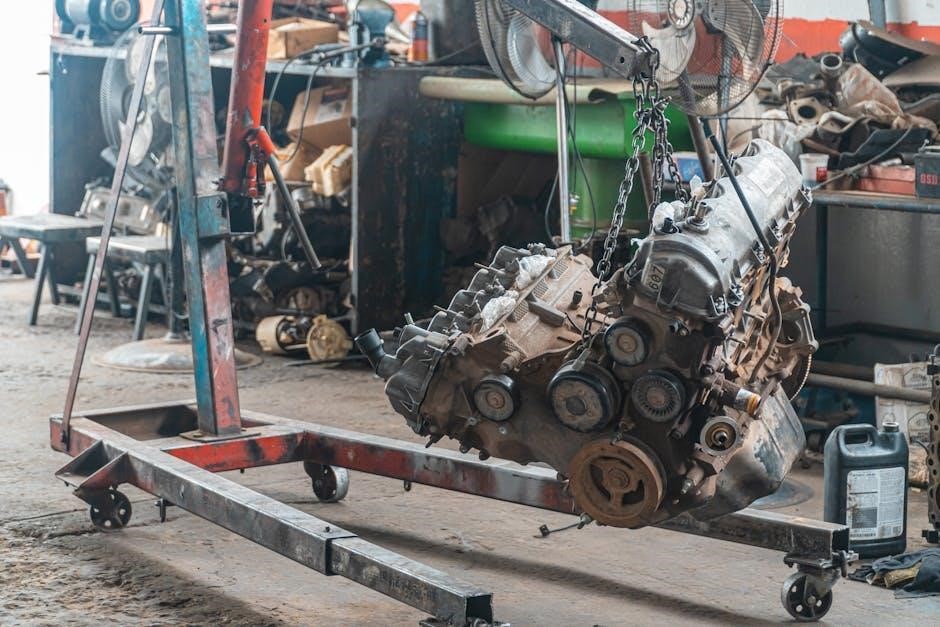
A detailed diagram is essential for understanding the intricate workings of your Tecumseh engine․ Key components include the cylinder head‚ valve cover‚ carburetor‚ air filter assembly‚ and the recoil starter․ The diagram clearly illustrates the placement of the magneto ignition system‚ fuel tank‚ and fuel lines‚ vital for troubleshooting fuel-related issues․
Furthermore‚ it showcases the location of the oil fill and drain plugs‚ crucial for proper lubrication․ Identifying the muffler‚ exhaust port‚ and cooling fins aids in understanding the engine’s thermal management․ A well-labeled diagram simplifies repair procedures and parts identification‚ ensuring accurate maintenance and extending the engine’s lifespan․
B․ Identifying Engine Models (ECV‚ H‚ HH‚ HM‚ HMSK‚ HMXL‚ HS‚ HSK‚ HSSK‚ HT Series)
Accurate model identification is paramount when sourcing parts or consulting a Tecumseh manual․ Series like ECV (vertical shaft)‚ H (horizontal shaft)‚ and HH represent distinct engine families․ HM and HMSK models often feature specific carburetor configurations․ HMXL engines are known for their extended life designs․
HS‚ HSK‚ and HSSK variations denote different horsepower ranges and applications․ The HT series typically indicates higher torque output․ Referencing the engine’s nameplate‚ alongside the manual‚ ensures you’re working with the correct information for your specific Tecumseh engine․
C․ Understanding Serial Numbers and Model Codes
Tecumseh engine serial numbers and model codes are crucial for pinpointing the exact specifications of your unit․ The model code‚ typically found on the engine’s blower housing‚ identifies the engine family and displacement․ Serial numbers‚ often located nearby‚ indicate the year of manufacture and production sequence․
Decoding these codes within your Tecumseh manual allows access to precise parts lists‚ troubleshooting guides‚ and repair procedures tailored to your engine․ This ensures compatibility and avoids incorrect servicing‚ maximizing engine life and performance․

IV․ Fuel System
Fuel system maintenance‚ including tank‚ lines‚ and carburetor care‚ is essential for reliable engine operation․ Proper fuel storage prevents issues․
A․ Fuel Tank and Fuel Lines
The fuel tank securely holds the gasoline supply‚ typically constructed from durable plastic or metal to resist corrosion and impact․ Regularly inspect the tank for cracks‚ leaks‚ or damage‚ especially around fittings and seams․ Fuel lines‚ connecting the tank to the carburetor‚ must be free from kinks‚ cracks‚ and deterioration․
Ensure fuel lines are securely clamped to prevent disconnection during engine operation․ Always use fuel lines rated for gasoline to avoid fuel leakage and potential fire hazards․ Before storage‚ draining the fuel tank and lines is crucial to prevent fuel degradation and carburetor issues‚ as stale fuel can cause operational problems․
B․ Carburetor Operation and Adjustment
The carburetor mixes air and fuel to create a combustible mixture for the engine․ Proper operation relies on clean jets and passages; adjustments control the fuel-air ratio for optimal performance․ Adjustment screws regulate idle speed and mixture richness․ Refer to your manual for specific settings․
A lean mixture causes a rough idle or stalling‚ while a rich mixture results in black smoke and poor fuel economy․ Cleaning the carburetor with appropriate solvent removes deposits‚ restoring efficient operation․ Always consult the manual before attempting adjustments or disassembly․
C․ Fuel Storage and Stabilization
Proper fuel storage is crucial to prevent degradation and maintain engine performance․ Gasoline can deteriorate over time‚ leading to carburetor issues․ Store fuel in an approved container‚ away from heat sources and open flames․ Fuel stabilizers are essential for long-term storage‚ preventing varnish formation․
Adding stabilizer before storage‚ and running the engine briefly to circulate it‚ ensures optimal protection․ Always follow the stabilizer manufacturer’s instructions․ Dispose of old fuel responsibly‚ adhering to local regulations․ A manual provides specific guidance for your engine․

V․ Ignition System
Tecumseh engines utilize a magneto ignition system for reliable starting․ A manual details spark plug maintenance‚ timing checks‚ and troubleshooting ignition-related problems effectively․
A․ Magneto Ignition System Explained
Tecumseh engines commonly employ a self-contained magneto ignition system‚ eliminating the need for a battery․ This system generates electricity directly as the engine crankshaft rotates‚ powering the ignition coil․ The coil then creates the high-voltage spark necessary to ignite the air-fuel mixture within the cylinder․
A manual will illustrate how the flywheel‚ containing magnets‚ passes near the ignition coil‚ inducing a current․ Understanding this process is crucial for diagnosing ignition failures․ Proper gap settings and clean contact points are essential for optimal performance‚ as detailed within the service documentation․
B․ Spark Plug Maintenance and Replacement
Tecumseh engine manuals emphasize regular spark plug inspection as vital for efficient operation․ A fouled or worn spark plug hinders combustion‚ leading to starting difficulties and reduced power․ The manual details the correct spark plug gap‚ typically specified in thousandths of an inch․
Replacement should occur annually or as needed‚ based on condition․ Proper torque is crucial during installation to prevent damage to the cylinder head․ Always use the recommended spark plug type‚ as listed in your engine’s specific manual‚ for optimal performance and longevity․
C․ Ignition Timing Checks
Tecumseh motor manuals highlight the importance of correct ignition timing for peak engine performance․ Incorrect timing results in reduced power‚ increased fuel consumption‚ and potential engine damage․ The magneto ignition system requires periodic checks‚ though adjustments are often minimal․
The manual will detail how to visually inspect the flywheel key for shearing‚ a common cause of timing issues․ Specialized tools may be needed for precise timing verification․ Always consult the manual before attempting any timing adjustments‚ ensuring safety and accuracy․

VI․ Lubrication System
Tecumseh manuals emphasize using the correct oil type and capacity for optimal engine life․ Regular oil changes and air cooling maintenance are crucial․
A․ Oil Type and Capacity Recommendations
Tecumseh motor manuals consistently stress the importance of utilizing the correct oil grade to safeguard engine components and ensure reliable performance․ Typically‚ a high-quality detergent oil classified as SAE 30 is recommended for general use‚ particularly in warmer climates․
However‚ for colder operating temperatures‚ a 10W-30 oil may be more suitable‚ offering improved flow characteristics during startup․ Always consult your specific engine’s manual for precise capacity requirements‚ as this varies significantly based on the model (ECV‚ H‚ HH‚ etc․)․
Using the wrong oil can lead to premature wear‚ reduced efficiency‚ and potential engine failure․
B․ Oil Change Procedures
Tecumseh motor manuals detail a straightforward oil change process crucial for engine health․ First‚ warm the engine briefly for improved oil flow․ Locate the drain plug‚ typically at the engine’s base‚ and position a suitable container beneath it․
Remove the plug‚ allowing the old oil to drain completely․ Replace the plug‚ ensuring it’s snug but not overtightened․ Next‚ remove the oil fill cap and add the recommended oil type and quantity‚ checking the dipstick for accurate levels․
Dispose of used oil responsibly at a recycling center․
C․ Air Cooling System and Maintenance
Tecumseh engines rely on efficient air cooling‚ often utilizing cooling fins on the cylinder head and block․ Your manual emphasizes keeping these fins clean and unobstructed for optimal heat dissipation․ Regularly inspect for debris like grass clippings or dirt accumulation․
Use a brush or compressed air to carefully remove any obstructions‚ avoiding damage to the fins․ Proper airflow prevents overheating and ensures consistent engine performance․ Maintaining this system extends engine life and prevents costly repairs․
Consistent cleaning is key!
VII․ Engine Starting Procedures
Tecumseh manuals detail cold and warm starting techniques‚ emphasizing proper choke usage and throttle settings for reliable ignition and smooth operation․
A․ Cold Starting Techniques
Successfully starting a cold Tecumseh engine requires a specific procedure outlined in your operator’s manual․ Initially‚ ensure the fuel shut-off valve is open‚ allowing fuel flow to the carburetor․ Engage the choke; this enriches the air-fuel mixture necessary for cold ignition․
Prime the engine by pressing the primer bulb several times – typically three to five – to introduce fuel into the cylinder․ Then‚ grasp the starter rope firmly and pull with a smooth‚ deliberate motion․ Avoid rapid‚ jerky pulls․ Repeat priming and pulling until the engine starts․
Once running‚ gradually disengage the choke as the engine warms up‚ preventing it from stalling due to an overly rich mixture․
B․ Warm Starting Techniques
Starting a warm Tecumseh engine generally requires less effort than a cold start․ Typically‚ the choke should not be engaged‚ as the engine retains residual heat and fuel vaporization is easier․ Verify the fuel shut-off valve remains open‚ ensuring a consistent fuel supply․
Pull the starter rope with a firm‚ steady motion․ A warm engine should ignite with fewer pulls than a cold one․ If it doesn’t start immediately‚ a brief choke engagement might be necessary‚ but disengage it quickly once running․
Avoid excessive priming‚ which can flood the engine and make starting more difficult․
C․ Troubleshooting Starting Issues
If your Tecumseh engine fails to start‚ first check the fuel level and ensure the fuel shut-off valve is open․ A flooded engine requires removing the spark plug‚ pulling the starter rope several times to clear excess fuel‚ and then reinstalling the plug․
Verify the spark plug is clean and properly gapped․ A weak spark indicates a potential magneto issue․ Also‚ inspect the air filter for obstructions‚ hindering airflow․
Confirm proper fuel delivery to the carburetor․
VIII․ Engine Maintenance
Regular maintenance‚ guided by your Tecumseh manual‚ extends engine life․ Inspections‚ air filter care‚ and valve adjustments are crucial for optimal performance․
A․ Regular Inspection Checklist
Prior to each use‚ consult your Tecumseh manual for a detailed inspection checklist․ Begin by verifying oil levels‚ ensuring they are within the recommended range for optimal lubrication․ Inspect fuel lines for cracks‚ leaks‚ or deterioration‚ replacing them as needed to prevent fuel spills․
Check the air filter for cleanliness; a clogged filter restricts airflow‚ impacting performance․ Examine the spark plug for fouling or damage‚ cleaning or replacing it to maintain proper ignition․ Finally‚ visually inspect all fasteners and connections‚ tightening any that are loose to ensure safe operation․
B․ Air Filter Cleaning and Replacement
Refer to your Tecumseh manual for specific air filter maintenance instructions․ Regularly inspect the air filter for dirt and debris accumulation‚ as a clogged filter restricts airflow and reduces engine efficiency․ For foam filters‚ wash gently with soap and water‚ ensuring it’s completely dry before re-oiling lightly․
Paper filters should be tapped gently to remove loose dirt; replacement is recommended when visibly soiled․ A clean air filter ensures optimal combustion‚ prolonging engine life and maintaining performance․ Always verify the correct filter type per your manual․
C․ Valve Adjustment Procedures
Consult your Tecumseh motor manual for precise valve adjustment specifications and procedures‚ as incorrect settings can cause significant engine damage․ Typically‚ this involves removing the valve cover and utilizing feeler gauges to measure valve clearances․ Adjust rocker arms to achieve the specified gap․
Proper valve timing is crucial for optimal engine performance and compression․ This procedure requires mechanical aptitude and adherence to the manual’s torque specifications․ Incorrect adjustments can lead to hard starting or reduced power․

IX․ Troubleshooting Common Problems
A Tecumseh manual aids in diagnosing issues like no-start conditions‚ rough running‚ or overheating‚ providing step-by-step solutions for common engine faults․
A․ Engine Won’t Start
If your Tecumseh engine fails to start‚ consult the manual for systematic troubleshooting․ Begin by verifying fuel supply – is the tank full and the fuel line clear?
Next‚ inspect the spark plug; a fouled or damaged plug won’t ignite the fuel-air mixture․ Ensure proper grounding and check the magneto ignition system’s functionality as detailed in your manual․
Confirm the choke is correctly positioned for cold starts․ A flooded engine requires a different approach‚ outlined in the manual’s starting procedures․ Always prioritize safety when diagnosing starting issues․
B․ Engine Runs Rough
A rough-running Tecumseh engine often indicates a fuel system issue․ Your manual emphasizes the importance of a clean carburetor; inspect it for debris or varnish buildup․
Check the air filter – a clogged filter restricts airflow‚ causing an improper fuel-air mixture․ Verify the spark plug is clean and properly gapped‚ as outlined in the manual’s maintenance section․
Low oil levels can also cause rough operation; always check the oil before running the engine․ Refer to your manual for specific troubleshooting steps and recommended solutions․
C․ Engine Overheats
Engine overheating in a Tecumseh motor frequently stems from inadequate cooling․ Your manual details the air cooling system’s crucial role; ensure cooling fins are clean and unobstructed by debris․
Low oil levels significantly contribute to overheating‚ increasing friction․ Always verify the oil level before operation‚ referencing the manual’s recommendations for proper viscosity․
A lean fuel mixture can also elevate temperatures․ Consult your manual for carburetor adjustment procedures to achieve the correct fuel-air ratio and prevent overheating damage․

X․ Repair Procedures
Tecumseh manuals provide detailed steps for carburetor‚ magneto‚ and cylinder head repairs‚ enabling skilled owners to address common issues effectively and safely․
A․ Carburetor Repair
Carburetor issues are frequent causes of engine problems‚ and a Tecumseh manual guides disassembly‚ cleaning‚ and reassembly․ Carefully inspect all jets and passages for obstructions‚ utilizing carburetor cleaner to dissolve deposits․
Pay close attention to the float level and needle valve‚ adjusting as needed per the manual’s specifications․ Replace worn gaskets and O-rings during reassembly to prevent air leaks․ Proper adjustment ensures optimal fuel-air mixture‚ restoring engine performance․ Always consult the manual for specific model instructions․
B․ Magneto Repair
Magneto systems generate the spark for ignition‚ and a Tecumseh manual details inspection procedures․ Check the air gap between the magneto and flywheel‚ adjusting it to the specified clearance․ Examine the ignition coil for cracks or damage‚ replacing it if necessary․
Clean the contact points and ensure proper grounding․ A faulty magneto results in a no-spark condition․ Refer to the manual’s wiring diagram for correct connections․ Testing with a multimeter confirms functionality before reassembly‚ restoring reliable engine ignition․
C․ Cylinder Head Repair
Cylinder head repair‚ as detailed in the Tecumseh manual‚ often involves valve seat inspection and grinding to ensure a proper seal․ Check for cracks or warping using a straightedge and feeler gauges; replace if damaged․ Carefully remove and inspect valves for wear or carbon buildup‚ lapping them for a tight fit․
Proper torque specifications are crucial during reassembly to prevent leaks․ Always use a new head gasket․ Following the manual’s guidance guarantees optimal compression and engine performance․
XI․ Extended Storage
Tecumseh manuals emphasize preparing engines for long-term storage‚ including fuel system stabilization and proper environment to prevent damage and ensure easy restarts․
A․ Preparing the Engine for Long-Term Storage
Tecumseh motor manuals consistently highlight the importance of thorough preparation before storing an engine for an extended period․ Begin by running the engine until all remaining fuel is consumed‚ preventing stale fuel issues․
Change the oil to remove contaminants that could cause corrosion during storage․ Disconnect the spark plug wire to avoid accidental starting․ Clean the exterior of the engine to remove dirt and debris․
Consider applying a corrosion inhibitor to metal parts․ Store the engine in a clean‚ dry location‚ protected from the elements․ Proper preparation safeguards against future operational problems․
B․ Fuel System Preparation for Storage
Tecumseh manuals emphasize fuel system care during extended storage․ To avoid stale gas and potential carburetor issues‚ fuel treatment is crucial․ Add a fuel stabilizer to the fuel tank‚ following the manufacturer’s instructions carefully․
Run the engine briefly to circulate the stabilized fuel throughout the fuel lines and carburetor․ Alternatively‚ completely drain the fuel tank and carburetor to eliminate fuel altogether․
This prevents gum and varnish buildup․ Inspect fuel lines for cracks or deterioration and replace them if necessary; Proper fuel system preparation ensures easier starting next season․
C․ Proper Storage Environment
Tecumseh manuals recommend storing your engine in a clean‚ dry‚ and well-ventilated area․ Protect it from direct sunlight and extreme temperatures‚ which can damage components․ Covering the engine with a tarp or storing it indoors is ideal․
Avoid storing the engine in damp basements or sheds prone to moisture․ Moisture can cause rust and corrosion․ Ensure the storage area is free from flammable materials and potential ignition sources․
Elevate the engine slightly off the floor to prevent moisture accumulation․ A proper storage environment maximizes engine lifespan and readiness․

XII․ Warranty Information
Tecumseh warranty coverage details are outlined in your engine’s manual; understand the terms‚ claim procedures‚ and locate authorized servicing dealers for assistance․
A․ Understanding Tecumseh Warranty Coverage
Tecumseh’s warranty provides coverage for defects in materials and workmanship‚ but specific terms vary by engine model and purchase date․ Carefully review your owner’s manual for precise details regarding the warranty period‚ what components are covered‚ and any exclusions that may apply․
Generally‚ the warranty doesn’t cover damage resulting from improper maintenance‚ misuse‚ accidents‚ or the use of non-genuine Tecumseh parts․ Maintaining accurate records of maintenance‚ including dates and services performed‚ is crucial if you need to file a claim․ Understanding these stipulations ensures a smooth warranty process․
B․ Warranty Claim Procedures
To initiate a warranty claim‚ first locate a Tecumseh servicing dealer – they act as intermediaries between you and the manufacturer․ Present proof of purchase‚ the engine’s serial number‚ and a detailed description of the issue․ The dealer will inspect the engine to verify the defect falls within warranty coverage․
Approved claims typically involve repair or replacement of the defective part‚ at Tecumseh’s discretion․ Keep all documentation related to the claim‚ including repair orders and invoices․ Contacting Tecumseh directly may be necessary for complex issues․
C․ Locating a Servicing Dealer
Finding an authorized Tecumseh servicing dealer is crucial for warranty work and expert repairs․ TecumsehPower recommends utilizing their online dealer locator tool‚ available on their official website․ This tool allows you to search by zip code or location to find nearby authorized service centers․
Alternatively‚ contacting Tecumseh’s customer support directly can provide a list of dealers in your area․ Ensure the dealer is specifically authorized to service Tecumseh engines for optimal assistance and genuine parts․